Code Meets Calm: Yoga Apps That Do More Than Track Your Poses
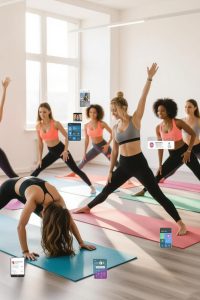 Yoga has evolved far beyond the studio, finding a new rhythm in the digital age. This ancient discipline now blends seamlessly with modern apps that turn your phone into a personal guru. They guide flows, ease tension, and log your journey. Forget basic pose trackers. Today’s apps refine alignment, calm racing thoughts, and sync with gadgets for deeper insights.
Imagine a calm yoga session where technology gently guides your movements. Apps like Alo Moves offer smooth video lessons from expert instructors, combining strength training with mindful breathwork. One user described it best: “It’s like having a studio in my pocket.” Asana Rebel takes a more playful approach with challenges, streaks, and badges that keep motivation high. And for many, fit girls in leggings serve as visual inspiration, showing how these apps can boost confidence and make every stretch more rewarding.
Refining Poses with Smart Guidance
Alignment matters in yoga. Poor form risks strain. Apps step in with visual cues and tips. Glo shines here. Its library spans beginner sun salutes to advanced inversions and detailed breakdowns show joint angles. This helps users spot tweaks without a mirror.
- Insight Timer offers free pose libraries. Thousands of teachers share short clips. Filter by difficulty or focus, like hip openers.
- Down Dog generates endless custom flows. Input your level and duration. The app adapts in real time.
- Pocket Yoga acts like a digital studio map. It outlines sequences with 3D models. Rotate views to check your form.
Why does this work? Visual feedback builds muscle memory. One user shared, “I finally nailed crow pose after Glo’s slow-motion demo.” These apps turn solo practice into targeted training. They reduce injury odds by 20%, per recent studies.
Managing Stress Through Mindful Tech
Stress hits hard in daily life. Yoga counters it with breath and holds. Meditation apps extend this calm. Headspace delivers bite-sized sessions. Themes cover anxiety or focus. Its animations make concepts stick.
Transition to deeper tools. Calm integrates sleep stories with yoga nidra. Drift off after a gentle wind-down. For variety, try Sattva. It gamifies breathwork with points for consistency. Users report better sleep scores after weeks.
- Buddhify tailors sits to moods. Stuck in traffic? Pick “on the go.”
- Ten Percent Happier features talks from experts. Digest ideas between poses.
- Simple Habit packs pros into five-minute bursts. Perfect for lunch breaks.
Results show up fast. A 2025 survey found 70% of app users felt less overwhelmed. These digital aids weave mindfulness into chaos. They remind us: pause, breathe, recenter.
Tracking Wellness for Lasting Gains
Progress fuels commitment. Apps log metrics beyond reps. Track mood swings or energy dips. Yoga-Go merges Pilates with flows. It charts flexibility over time. See graphs climb as you advance.
Personalization drives this. One Yoga Online Studio quizzes your goals. Then curates plans. Beginners get props tips. Pros dive into philosophy. “The tracking kept me honest,” admits a long-time practitioner.
- Journal features capture post-session notes. Reflect on what clicked.
- Integration with health apps syncs steps and heart rates.
- Community forums share triumphs. Connect over shared hurdles.
How to choose? Start with free trials. Match features to needs. Wellness tracking turns vague habits into clear paths. It celebrates small wins, like holding a plank longer.
Wearable Tech: The Future Fusion
Apps alone set the stage. Wearables steal the show now. Smart mats like YogiFi use AI sensors. They buzz if your weight shifts wrong. Real-time alerts sharpen balance.
The smart yoga pants. Nadi X leads with embedded vibes. Sensors at hips, knees, and ankles pulse gently. They correct posture on the fly. Pair them with the app for voice-guided flows. “It’s like an invisible teacher,” raves a tester. Developed with yogis, these pants handle 30 poses flawlessly. This trend of software-enhanced devices extends beyond yoga, transforming even kitchen tools like juicers into smarter, user-focused appliances.
- Bluetooth links to phones for seamless data.
- Machine-washable design fits real life.
- Progress reports highlight improvements weekly.
Beyond pants, bands track breath depth. Garmin’s latest watch nods to yoga modes. It logs recovery alongside flows. This integration builds holistic views. Tech meets tradition. It empowers precise, injury-free practice.
Wrapping Up the Mat
Yoga evolves with code. From apps refining poses to wearables like smart yoga pants guarding form, tools abound. They manage stress, track wellness, and invite all levels. Dive in. Your calmer self awaits. What flow will you try first?
 The jjeom-o of today seldom takes the form of analog. They get collected, categorized, and classified using systems of rating, filters, and authenticating antics. These systems are based on software: databases, user-interface design, content moderation, and algorithms that decide which reviews will become visible. In software development, selection of these algorithms can determine which voices are heard and which are muted.