Inside the Software Ecosystem Behind Modern Esports Teams
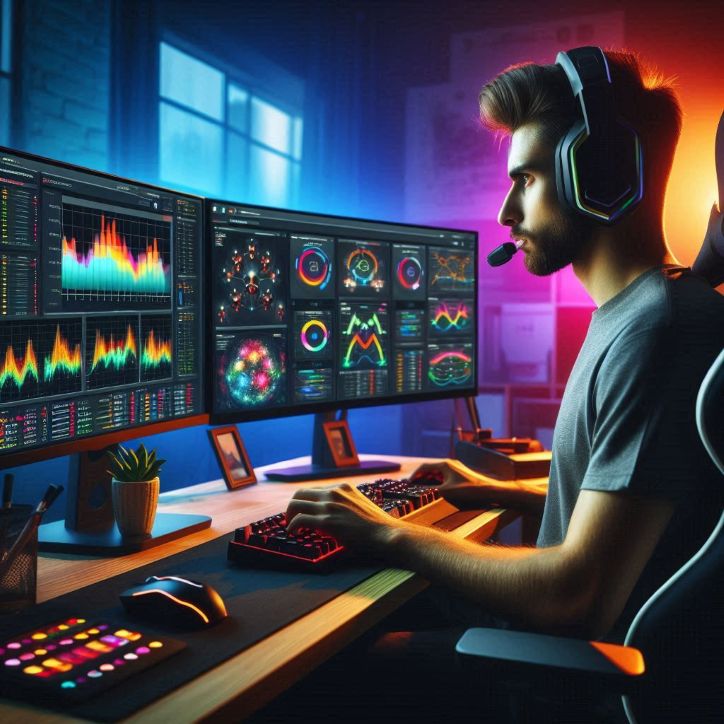
Data tracking has become as essential to esports as aim and reflexes. Teams now rely on software systems that quietly shape performance behind the scenes, logging every click, every round, every mistake. It is less about gut feeling these days and more about patterns, numbers, and repeatable systems.
Even rising squads are embracing this shift. Insights shared through the mongolz team show how structured configuration management and performance tracking are part of daily routines, not occasional tweaks. That kind of discipline used to be reserved for top-tier organizations. Now it is becoming the baseline.
Config Files Are Treated Like Playbooks
Ask any competitive player about their config, and you will get a mix of pride and superstition. Crosshair settings, sensitivity, keybinds, video tweaks, it all adds up. But inside esports teams, these are no longer personal quirks. They are documented, version-controlled assets.
Teams often store configs in shared repositories, similar to how developers manage code. A small change, like adjusting mouse sensitivity from 1.9 to 2.0, gets tracked. If performance dips, they roll it back. Simple. Clean. Effective.
Research from the International Journal of Esports highlights that consistency in settings improves muscle memory retention, especially in high-pressure matches. That explains why teams treat configs almost like sacred documents. You do not just tweak things before a big match unless you want your aim to feel like it belongs to someone else.
Some players even joke that losing a config file feels worse than losing a scrim. Honestly, they are not entirely wrong.
Analytics Tools Turn Gameplay Into Data
Modern esports teams collect more data than most casual fans realize. Every match produces heatmaps, reaction times, utility usage stats, and positioning patterns. Tools break down gameplay into measurable chunks.
Platforms like Leetify and Scope.gg, widely used in competitive Counter-Strike, analyze demos and highlight strengths and weaknesses. Data from these tools indicates that players often misjudge their own performance. A player might feel sharp, yet the stats show missed opportunities or poor positioning.
The Esports Research Network notes that teams using structured analytics improve decision-making speed during matches. That matters. In a game where rounds can be decided in seconds, faster decisions can mean the difference between a win and a painful replay session.
There is also a psychological angle. Seeing hard data removes excuses. You cannot argue with a heatmap that shows you always die in the same corner. Well, you can try, but your coach will probably just raise an eyebrow.
Training Software Builds Better Habits
Aim trainers and simulation tools are no longer optional. They are part of the daily grind. Programs like Aim Lab and KovaaK’s help players refine mechanics in controlled environments. It is repetitive, sometimes boring, but effective. Many teams also explore best streaming software setups for Twitch to ensure their practice sessions and scrims are recorded, reviewed, and even streamed for feedback. Tools like OBS Studio, which experts describe as highly flexible and widely used for live production, allow teams to capture gameplay, layer data, and analyze performance in detail.
What makes modern training different is customization. Teams design drills that mirror actual match scenarios. If a player struggles with holding angles on specific maps, the training software replicates those situations.
Studies from the Human Factors and Ergonomics Society show that targeted practice improves skill retention more than general repetition. In other words, grinding random drills is less effective than practicing exactly what you struggle with.
It sounds obvious, but for years players relied on endless matchmaking games to improve. Now, they train smarter, not just longer.
Centralized Systems Keep Everything in Sync
Behind the scenes, teams use centralized platforms to manage everything, from configs to match reviews. Think of it as a digital control room. Coaches, analysts, and players all access the same data.
This setup reduces chaos. No more sending files through chat apps or losing track of updates. Everyone works from the same version, the same insights, the same plan.
Organizations like Deloitte have reported that structured data systems improve team coordination in high-performance environments. Esports fits that description perfectly. When five players need to act as one, even small misalignments can cause big problems.
And yes, sometimes the system crashes at the worst moment. Technology is not perfect. But overall, it beats the old method of “Hey, did you save that file?” followed by silence.
Why Software Ecosystems Are Changing the Game
Esports is evolving into a discipline where infrastructure matters as much as talent. The teams that invest in software ecosystems gain a clear edge. They learn faster, adapt quicker, and make fewer mistakes.
This shift is especially visible among emerging rosters from regions outside traditional powerhouses. Asian lineups, including Mongolia’s competitive squads, are leveraging structured systems to close the gap with established teams. It is not just about raw skill anymore. It is about how efficiently that skill is developed and maintained.
Even fans can feel the difference. Matches look sharper. Strategies seem deeper. Players recover from mistakes faster. That is the invisible hand of software at work.
At its core, esports is still about human performance. Quick thinking, steady hands, and teamwork. But the environment around players has changed. The modern pro is backed by data, tools, and systems that quietly push them toward peak performance. And somewhere in a shared folder, a config file is waiting, perfectly tuned, ready for the next match.
